Arborist Reports for Council
These comprehensive arborist reports, prepared by a qualified AQF Level 5 consulting arborist, support local council applications such as tree removal permits. They assess tree health, significance, risk, and compliance with council policies and regulations. Reports provide objective, evidence-based recommendations to balance urban tree preservation with property needs, ensuring council acceptance and regulatory compliance.
Tree Risk Assessments (TRAQ)
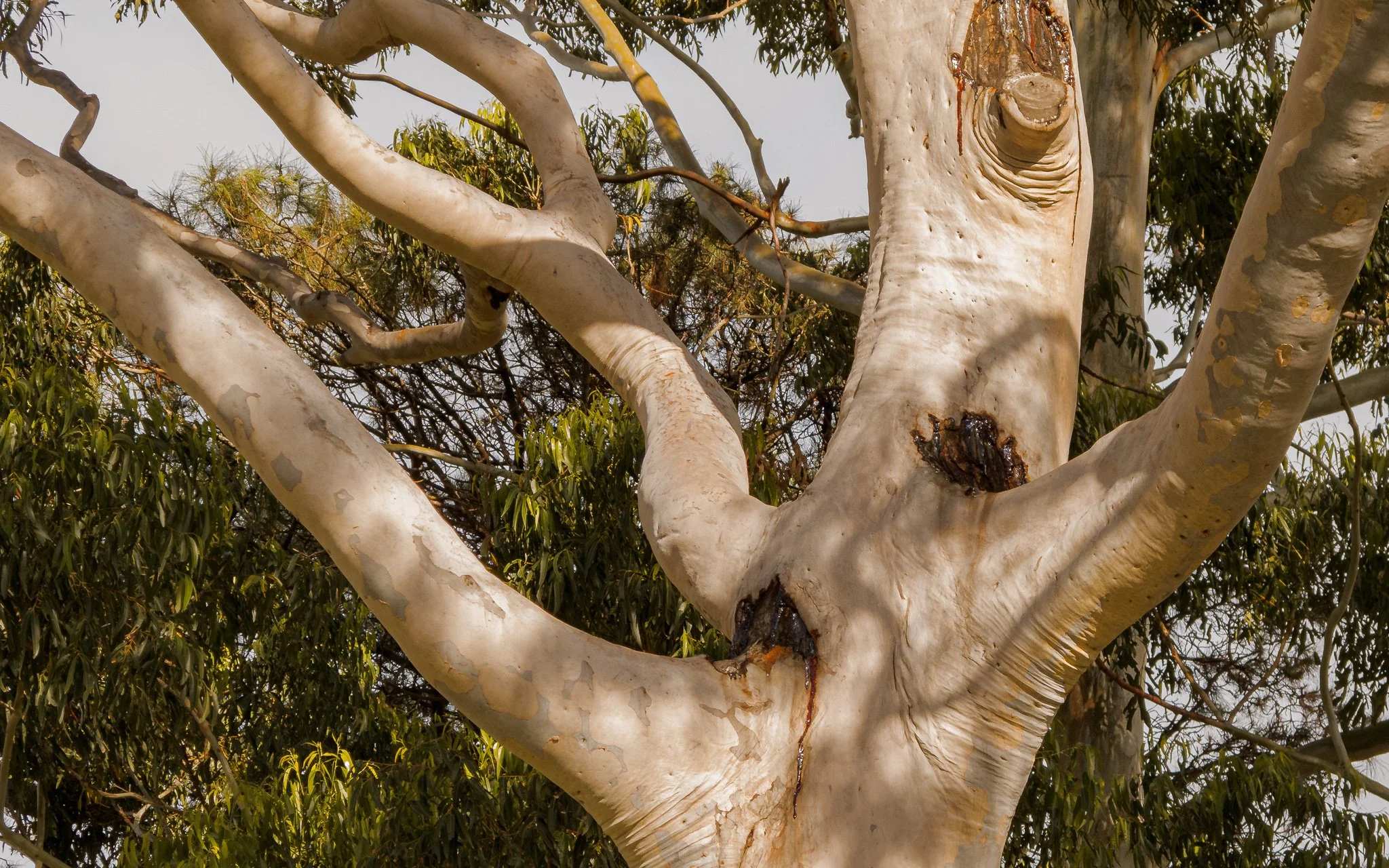
Using the internationally recognised Tree Risk Assessment Qualification (TRAQ) methodology from the International Society of Arboriculture (ISA) to conduct systematic evaluations to identify hazards, assess likelihood and consequences of tree failure, and determine overall risk levels. Prepared by an AQF Level 5 qualified arborist, these detailed reports provide targeted mitigation strategies such as long term maintenance, targeted pruning, specialised assessment, or removal to help property owners and managers fulfil their duty of care, particularly for public spaces, schools, parks, strata lots and other high-traffic areas.

Development Reports including Preliminary Tree Assessment and Impact Assessment
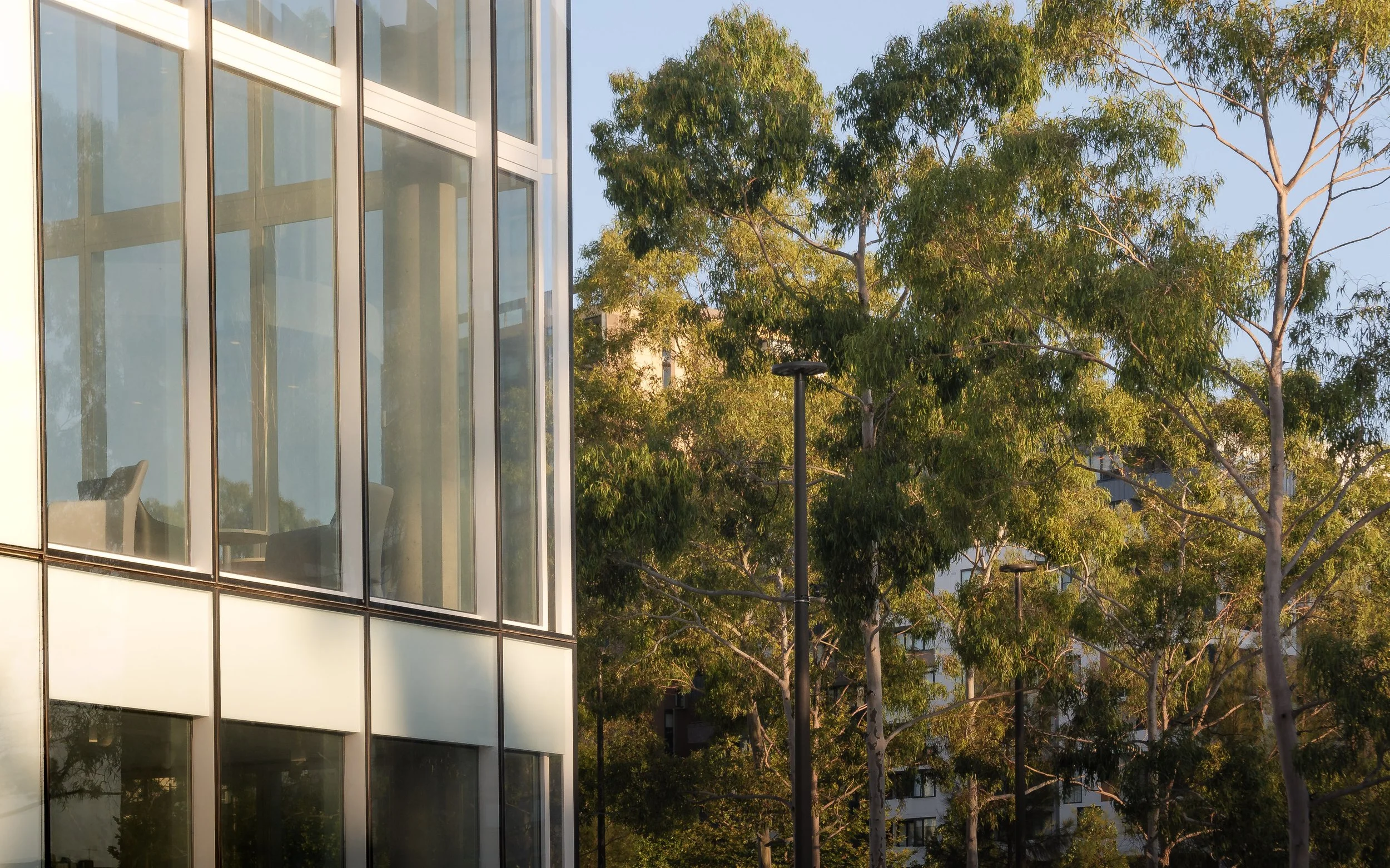
We deliver staged reporting for development projects, starting with a Preliminary Tree Assessment in accordance with AS4970:2025 to assess surveyed trees on and near the site, evaluate their health, retention value, and initial constraints. This informs early design. Followed by a detailed Arboricultural Impact Assessment (AIA), which analyses the proposed works' effects on trees (e.g., encroachment into root zones), recommends retention/removal, and ensures compliance with AS 4970:2025 – Protection of Trees on Development Sites. These reports are essential for Development Applications (DA) and some Complying Development Certificates (CDC) and help avoid delays by demonstrating sustainable tree management.

Tree Protection Specifications
As per AS 4970:2025, our Tree Protection Specifications (TPS) provide detailed written instructions for safeguarding retained trees during construction. This includes defining Notional Root Zones (NRZ), Tree Protection Zones (TPZ), Structural Root Zones (SRZ), approved fencing types, ground protection, excavation controls, signage, and monitoring requirements. Prepared by AQF Level 5 arborists, these enforceable specifications minimise soil compaction, root damage, and other impacts, ensuring long-term tree viability and compliance with council conditions of consent.

Tree Protection Plan
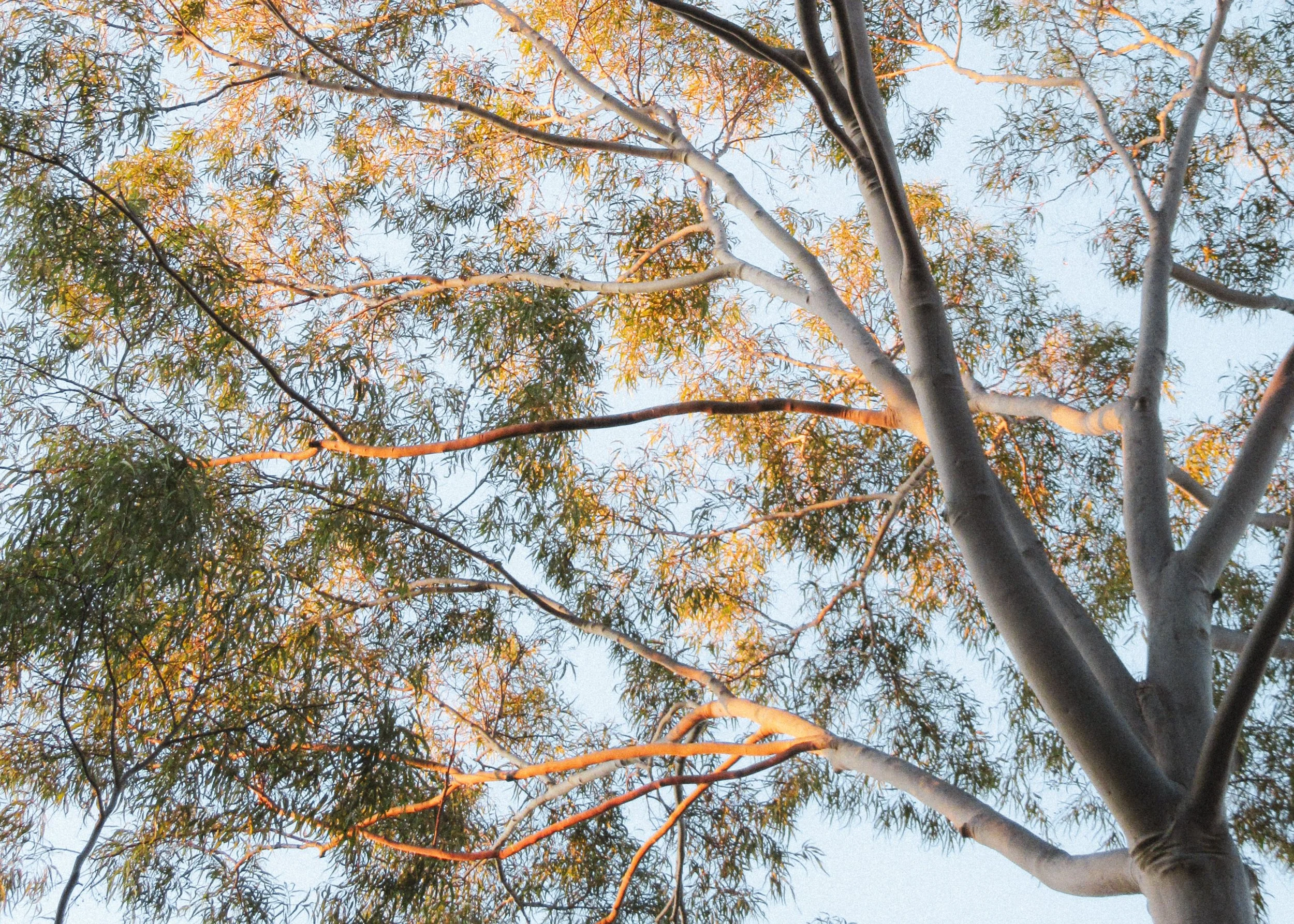
Complementing the Tree Protection Specifications, the Tree Protection Plan (TPP) is a visual site-specific plan using professional surveys (often overlaid with architectural plans) that maps TPZs, fencing locations, access paths, storage areas, and staged protection measures in line with AS 4970:2025. It serves as a practical blueprint for builders, contractors, and project arborists to implement and monitor tree protection throughout all development phases, helping meet council requirements and prevent costly tree loss or non-compliance issues.

Project Arborist
A Project Arborist (usually an AQF Level 5 qualified consulting arborist) is required for developments in New South Wales to protect and manage trees on or near building sites, following Australian Standard AS 4970 and local council rules.
Most NSW councils require this if retained trees may be affected by demolition, excavation, construction or landscaping—especially within Tree Protection Zones (TPZ) or Notional Root Zones (NRZ).
A Project Arborist is crucial for ensuring the successful retention and long-term health of trees on development sites across New South Wales while achieving compliant, sustainable project outcomes.